
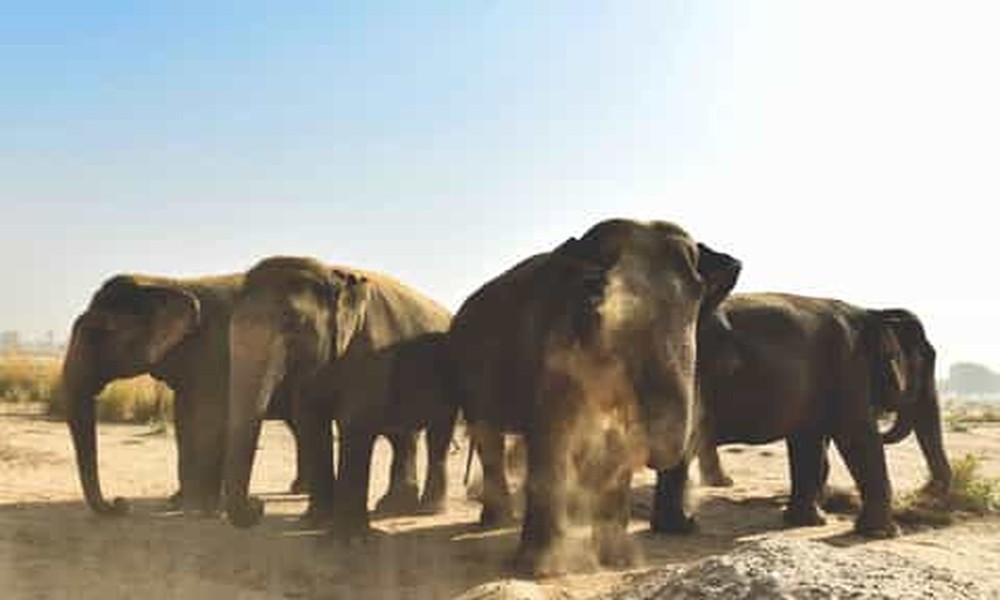

A lot of people hear the words rescue park and immediately imagine something dramatic. But most days inside an elephant rescue space feel pretty normal honestly. Slow walking. Feeding routines. Mud everywhere. Staff carrying fruit buckets around while elephants move between shaded areas without much hurry. That slower atmosphere is usually what people remember afterward.
A proper elephant rescue park thailand experience focuses more on recovery and long term care than entertainment. Visitors still get close to elephants during certain activities, though the overall feeling is calmer compared with busy tourist attractions. Some elephants come close to people quickly. Others keep distance almost the entire visit.
Rescue programs changing elephant tourism conversations
Years ago many travelers booked elephant activities without asking many questions first. Now people look more carefully at where the animals came from and how they are being treated.
That shift changed rescue parks a lot across Thailand.
Visitors now notice things like:
- Open walking space
- Elephant behavior around crowds
- Group size during activities
- Whether riding happens
- How relaxed the animals look
The atmosphere inside rescue focused parks usually feels less controlled because the elephant routine matters more than keeping visitors constantly entertained.
Health monitoring becoming part of rehabilitation work
Daily care inside rescue parks involves much more than feeding activities visitors normally see during tours.
Staff members monitor:
| Care Routine | Purpose |
|---|---|
| Walking movement | Checking mobility and comfort |
| Eating behavior | Monitoring appetite |
| Skin condition | Looking for irritation or injury |
| Social interaction | Observing stress or comfort levels |
| Rest patterns | Tracking overall wellbeing |
A lot of this work happens quietly in the background.
Visitors may notice staff watching elephants carefully even during relaxed activities. Small behavior changes sometimes matter more than people realize. An elephant eating less than usual or avoiding movement can signal problems early.
Not every detail gets explained either. Some things just happen naturally around the park while visitors move through different areas.
A proper elephant rescue park thailand setting usually allows elephants to move naturally instead of pushing them through fixed activities every hour. That freedom changes the feeling of the whole visit.
Visitor education supporting long term rescue awareness
Most visitors arrive mainly excited about seeing elephants up close. Then gradually the educational side becomes one of the strongest parts of the experience.
Guides often explain things casually while walking:
The conversations feel informal most of the time. More like listening to someone describe daily life around the animals instead of attending a presentation.
And certain small details stay in people’s heads afterward.
Like hearing that some elephants still hesitate around loud sounds years after leaving stressful environments. Stuff like that changes how visitors look at elephant tourism overall.
The experience becomes less about entertainment and more about quietly observing rescued elephants living through ordinary daily routines inside calmer protected environments. Sometimes those slower moments stay in memory longer than anything else from the trip.