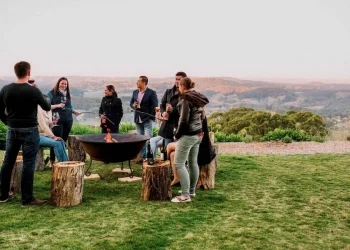
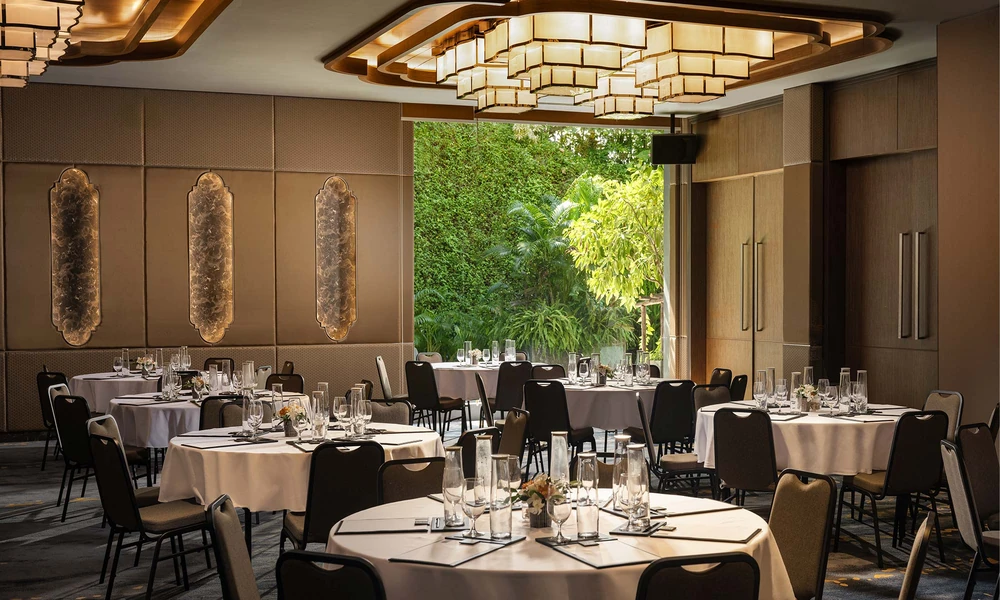

Outdoor activities can change how colleagues communicate during shared events.Instead of sitting through long discussions, groups can solve tasks together.Simple challenges can reveal communication habits that remain unnoticed during office routines.The phrase team building phuket hotel often points toward organised group activities in a suitable setting.Good planning keeps activities safe while giving everyone a clear role.
Choosing Suitable Outdoor Activities
Activities should match the group size and general ability levels.Clear instructions help participants understand their roles before each challenge.
Tasks should remain simple enough for everyone to follow.Physical demands should also remain reasonable throughout the scheduled programme.
Building Cooperation Through Shared Tasks
Group challenges work best when every participant has something useful to contribute.The activity should encourage discussion rather than individual competition alone.
- Assign clear roles before each activity begins.
- Explain safety instructions before participants start moving.
- Select tasks that require several people working together.
- Keep instructions simple enough for everyone to understand.
- Allow teams enough time to discuss possible solutions.
- Avoid activities requiring advanced physical abilities from participants.
- Include quieter members through rotating responsibilities during challenges.
- Review completed tasks before moving toward another activity.
A balanced programme gives teams opportunities to communicate without unnecessary pressure.
Using Space For Group Interaction
Open areas can provide room for movement-based activities.Different spaces can support separate tasks during larger gatherings.
Organisers should inspect the area before activities begin.Weather conditions may require changes to outdoor plans.
Encouraging Better Team Communication
Outdoor tasks often require quick discussions before action begins.Participants need to listen carefully before choosing their next move.
Simple communication can prevent confusion during timed activities.However, some groups may need extra guidance when communication becomes unclear.
Creating Challenges Around Practical Goals
A useful activity should connect to a clear group objective.Some tasks can focus on planning while others require cooperation.
The challenge should remain understandable without lengthy explanations.Results can vary when participants have different levels of confidence.
Making Every Participant Involved
Group activities should avoid giving all responsibilities to only confident members.Rotating duties can give different participants meaningful involvement.
Some tasks can involve planning while others require physical movement.When team building phuket hotel activities include varied responsibilities, participation can become more balanced across the group.
Reviewing Group Results After Activities
A short discussion after each task can reveal useful observations.Teams can discuss what helped communication and what created confusion.The purpose should be practical rather than judgmental.Feedback may also help organisers improve future group programmes.
| Activity Type | Main Group Skill | Useful Planning Point |
| Relay task | Coordination | Rotate responsibilities between participants |
| Puzzle challenge | Problem solving | Allow time for group discussion |
| Navigation task | Communication | Provide clear movement instructions |
| Building task | Cooperation | Give each participant a defined role |
| Timed challenge | Decision making | Keep the target realistic for everyone |
Each activity offers a different way to observe group interaction.Choosing several formats can prevent the programme from becoming repetitive.
Frequently Asked Questions
- What makes outdoor group activities useful? Shared tasks encourage communication and cooperation through practical situations.
- Should every activity involve physical movement? No, planning and problem-solving tasks can involve everyone.
- How should organisers handle changing weather? Prepare alternative indoor activities before the scheduled event begins.
- How long should each challenge continue? Duration should match group size and task difficulty.
- Should teams compete during every activity? Not necessarily; cooperative goals can also encourage useful communication.
- How can organisers improve future events? Review participant feedback and adjust activities according to practical observations.
Keeping Group Events Practical
Outdoor challenges can add useful variety to corporate gatherings when carefully planned.The best activities remain clear, manageable, and suitable for different participants.Safety checks should happen before every scheduled task.Flexible timing can help organisers respond to changing conditions.Simple review afterward can provide useful guidance for future events.Suitable activities should match the group rather than follow a fixed formula.Clear roles can prevent confusion during each challenge.Balanced participation helps ensure different abilities receive consideration.Careful planning and steady review can keep group events useful and well organised.